The Real Reason Software Adoption Fails in Organizations in 2026
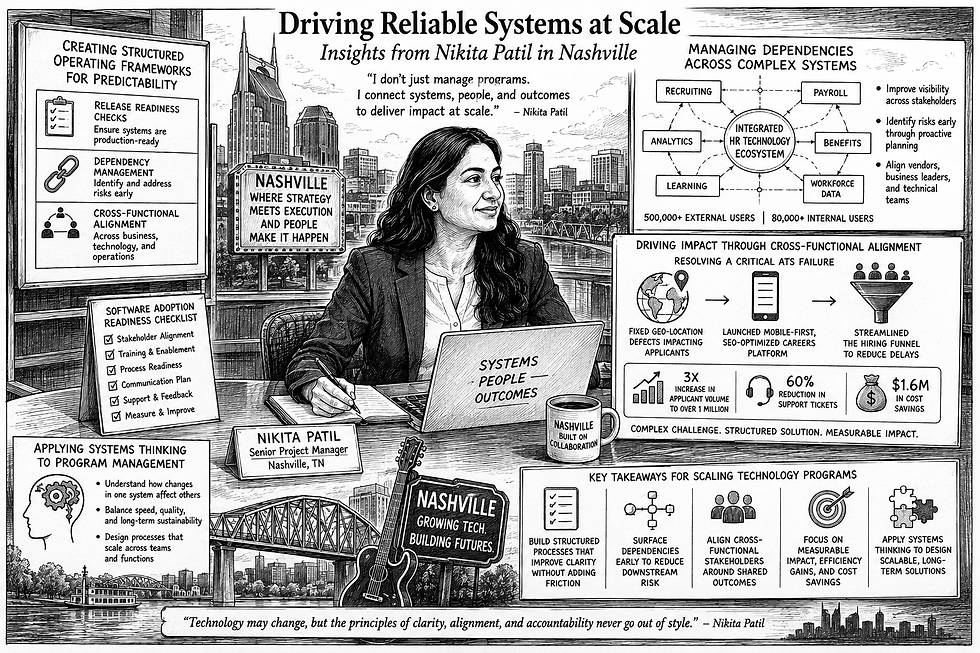
When organizations evaluate new software, the conversation often revolves around pricing, features, and return on investment. Those factors matter, but one of the biggest lessons I learned in HR technology implementation is that adoption depends far more on how naturally a tool fits into people’s daily work.
In a prior organization, I helped secure a strong agreement for a recruiting platform that aligned closely with a leadership priority. On paper, it looked like an easy win. The platform offered valuable capabilities for recruiters, leadership supported the initiative, and the commercial terms made the investment even more attractive. There was genuine excitement around the rollout.
We approached implementation seriously. The launch included internal communication campaigns, live training sessions, walkthroughs, and practical examples showing recruiters how the platform could support sourcing and candidate management. Early feedback was positive. Recruiters saw value in the product and appreciated what it could do.
But several months later, usage patterns told a different story.
Despite positive feedback, daily engagement began to decline. The issue was not that the tool lacked value. In fact, many recruiters still spoke positively about it. The real problem was workflow friction.
Recruiters were already spending most of their day inside the organization’s core applicant tracking system (ATS), which remained the official source of truth for recruiting activity. The new platform required a separate login, separate workflows, and manual effort to transfer information between systems. Candidates identified in the new tool could not seamlessly move back into the ATS.
Over time, that extra effort became a barrier.
What we learned was simple but important: people tend to default to the systems that make their work easier, faster, and more connected. Even when a product is useful, employees are unlikely to sustain long-term adoption if it creates additional steps in an already busy workflow.
That experience changed how we evaluated future technology investments.

Instead of focusing primarily on feature lists or pricing advantages, we spent more time understanding how a tool would fit into the actual day-to-day behavior of end users. We asked different questions during vendor evaluations:
Does this integrate with the systems employees already use?
Will users need to duplicate work?
Can adoption happen naturally inside existing workflows?
Does the product remove friction or add to it?
How many additional clicks, logins, or manual actions are required?
Those questions became just as important as cost negotiations or product demonstrations.
One of the biggest mistakes organizations make during software implementation is assuming that training alone drives adoption. Training is important, but training cannot overcome workflow inefficiency. Employees may attend workshops, understand the value of a platform, and still avoid using it consistently if the experience feels disconnected from how they already operate.
This is especially true in fast-moving operational environments like recruiting, customer support, sales, or project delivery, where speed and convenience heavily influence user behavior.
Technology leaders sometimes underestimate the power of small friction points. A separate login may seem minor during procurement discussions. Manual data transfer may appear manageable in a demo environment. But repeated dozens of times a day, those small inconveniences become major adoption barriers.
Looking back, the experience was valuable because it shifted our mindset from buying good software to building usable systems.
Successful technology implementation is not only about selecting powerful tools. It is about designing workflows people will realistically follow under pressure, during busy periods, and over long periods of time.
My biggest takeaway is this: even a strong product and a strong commercial deal can struggle if the technology asks employees to work differently without making their jobs easier. Adoption happens when software fits naturally into existing behavior, not when users are forced to adapt around the software.
Comments